The Ultimate Guide to Keyword Research: Unearthing Hidden Gems
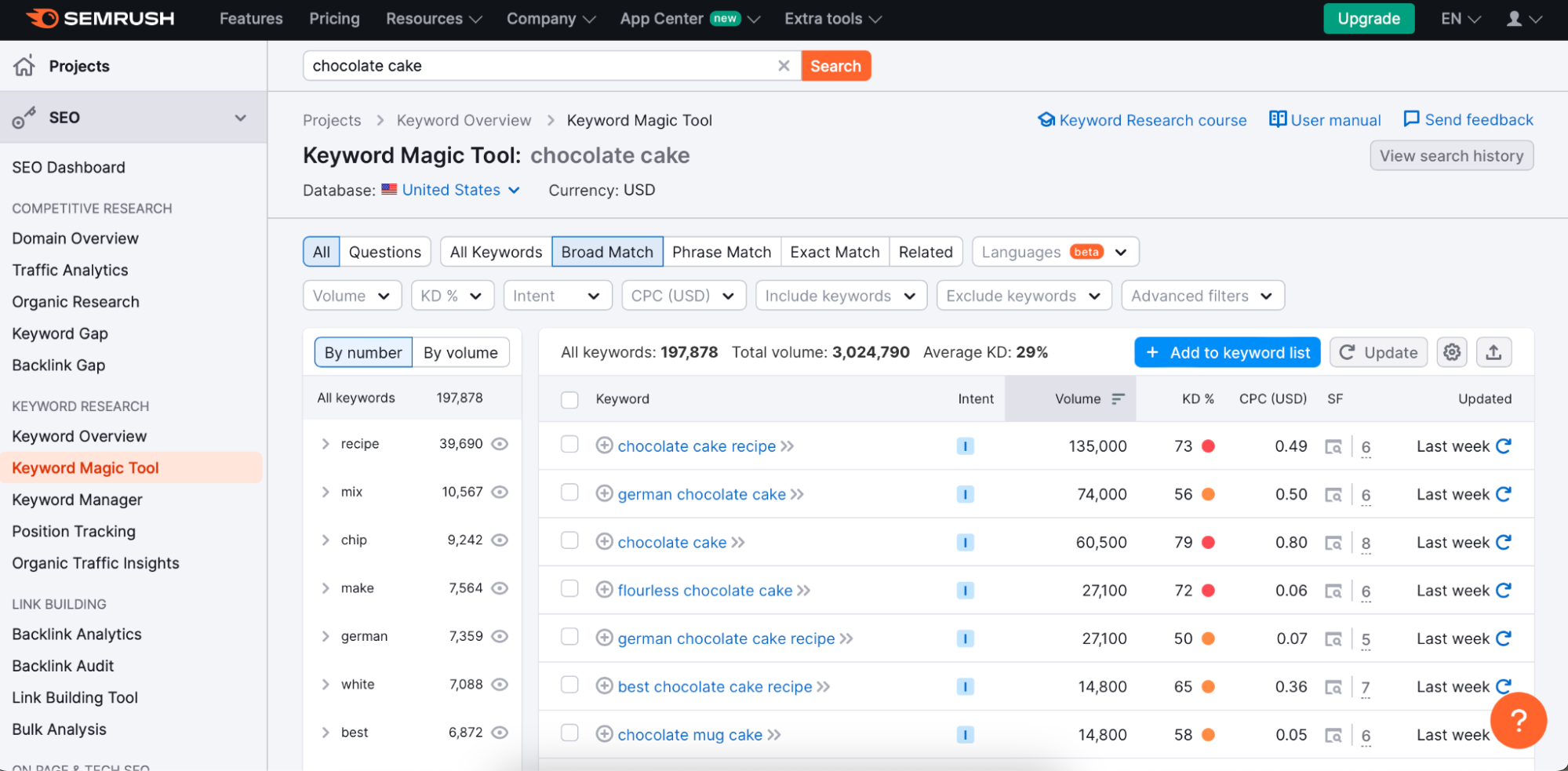
Keyword research is the backbone of successful SEO, providing valuable insights into what your audience is searching for online. By identifying the right keywords, you can tailor your content to match user intent, ultimately driving more organic traffic to your site. Begin by brainstorming a list of relevant topics related to your niche. Then, utilize tools such as Google Keyword Planner, Ubersuggest, or SEMrush to discover hidden gems—keywords with low competition but high search volume. This initial phase sets the foundation for your content strategy and allows you to uncover long-tail keywords that can significantly boost your rankings.
Once you have gathered a comprehensive list of keywords, it is crucial to analyze their performance potential. Sort your keywords into categories based on search intent: informational, navigational, and transactional. Prioritize keywords that align with your goals—whether you want to educate your audience or drive sales. Additionally, paying attention to factors such as search volume, keyword difficulty, and trend data will help you in making informed decisions. Implementing this structured approach to keyword research not only enhances your SEO strategy but also ensures that you are consistently uncovering valuable opportunities for content creation.
10 Essential Tools for Effective Keyword Research
Keyword research is the foundation of any successful SEO strategy, and leveraging the right tools can make this process significantly easier. Here are 10 essential tools for effective keyword research that can help you identify high-value keywords and improve your content strategy:
- Google Keyword Planner: A powerful tool that provides keyword ideas and search volumes directly from Google.
- SEMrush: A comprehensive SEO suite that allows you to analyze competitors and uncover targeted keywords.
- Ahrefs: Known for its extensive keyword database, Ahrefs provides insights on keyword difficulty and search intent.
- Ubersuggest: Offers keyword suggestions and content ideas based on your niche and competitors.
- KeywordTool.io: A versatile tool that helps generate keyword ideas from various search engines.
- AnswerThePublic: Visualizes search questions and suggested autocomplete searches, helping you to find long-tail keywords.
- Moz Keyword Explorer: Delivers metrics including opportunity and potential, aiding in effective keyword selection.
- Google Trends: Analyzes the popularity of search queries over time, allowing you to identify trending topics.
- Soovle: Aggregates keyword suggestions from multiple search engines in real-time.
- Keyword Surfer: A Chrome extension that provides keyword data directly in your Google search results.
Utilizing these tools allows you to fine-tune your SEO strategy by discovering not just the best keywords but also the intent behind searches. This understanding can significantly improve your content's relevance and visibility in search engine results. By capitalizing on the insights gained from these essential tools, you can create targeted and optimized content that resonates with your audience and drives organic traffic to your site.
How to Uncover High-Value Keywords for Your Content Strategy
Uncovering high-value keywords is essential for a successful content strategy. Start by utilizing keyword research tools such as Google Keyword Planner, SEMrush, or Ahrefs. These tools allow you to analyze search volume, competition, and trends for specific terms. Begin by brainstorming a list of seed keywords that are relevant to your niche. Once you have your seed keywords, input them into the keyword research tool to generate a list of related keywords. Focus on long-tail keywords as they often have less competition and can attract highly targeted traffic.
After generating your keyword list, it's crucial to evaluate each keyword's potential. Create a spreadsheet to track metrics such as search volume, click-through rate, and cost per click for paid advertising. Prioritize keywords that have a good balance of decent search volume and lower competition. Consider user intent behind the keywords as well. Are users looking for information, products, or services? Understanding their intent will help you create content that meets their needs and aligns with your overall content strategy.